
Article by Robert Tatoi, Play Vertical
Two identical videos, posted an hour apart on the same account, can end up with completely different results. One hits 800,000 views, the other 8,000. Not a pixel of difference between them.
The example is hypothetical, but this kind of variation shows up consistently in the real data of high-volume accounts. And the difference isn’t explained by anything that was optimized inside the video.
This article describes why the usual performance metrics aren’t enough to validate a format, and how much testing volume you actually need before drawing a conclusion.
Reach, likes and average watch time are outcomes, not causes
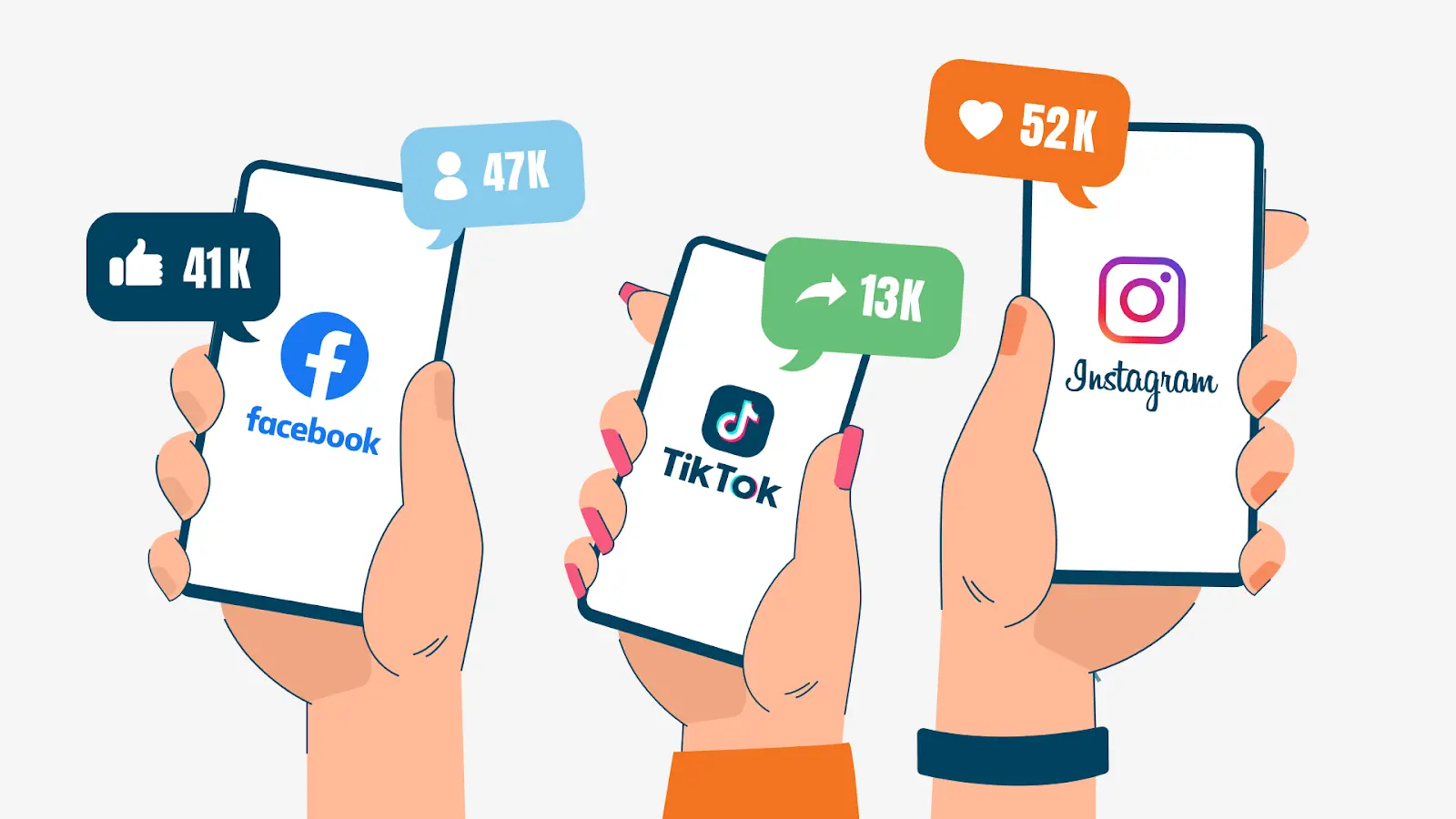
When analyzing the performance of a video, the standard indicators are:
- Reach
- Number of likes
- Average watch time
These metrics tell you that a video performed. They don’t tell you why it performed.
That’s where the wrong conclusion comes from, the one most content teams repeat: “The video got good reach, so we should replicate the format.” You keep the hook, you keep the narrative structure, you keep the visual treatment. And under this logic, the next video should perform similarly. Most of the time, it doesn’t. The reasoning ignores the fact that those metrics were shaped by a set of external factors that neither production nor distribution control directly.
Four external factors that distort performance data
1. The initial testing pool
In the distribution logic of short-form platforms, every video is first shown to a cohort of a few hundred users. The composition of that cohort is partly random.
With a favorable initial pool, positive engagement in the first hour is strong enough to trigger broader distribution. With a poor pool, signals are weak and performance collapses inside the first 30 minutes. Same video, two completely different trajectories, driven by a variable only the algorithm controls.
2. The immediate prior consumption context
A video’s performance also depends on what the user watched just before it. If your video shows up after one on a similar topic, the user may keep consuming in the same direction. Equally likely is the opposite scenario, where topic saturation pushes them to swipe away quickly.
The same logic applies when your video appears after something completely unrelated. The reaction can go either way. The immediate prior consumption context is a variable no production team can anticipate.
3. The user’s situational context
The same user has different content expectations depending on the time of day and the state they’re in. A TikTok consumer on Monday morning, commuting to work, behaves very differently from the same consumer on Sunday evening.
The creator doesn’t control the state the user is in when they meet the material. More than that, in the current logic of short-form platforms, the creator doesn’t even control when the video is shown. Publishing time has become a variable with limited impact on performance. The algorithm decides independently when and how each piece of content is distributed.
4. The platform’s algorithmic priorities for that period
Short-form algorithms prioritize, across different time windows, specific categories of content. Those priorities shift constantly and are driven by commercial and product decisions inside the platform.
If, for example, in a given month the platform allocates extra visibility to the fashion niche because of a global event that allows higher monetization of attention, a brand in that vertical gets amplified reach mechanically, without the production team changing anything in its approach. The next month, when the platform’s priorities shift, reach drops back to a lower baseline without the format itself having lost any quality.
What gets left out of performance analysis
Most content teams analyze video performance strictly through the lens of the optimizations they made. The hook decision, the structure decision, the visual decision. That analysis is correct, but incomplete. The external factors described above operate in parallel with the editorial decisions and contribute significantly to the final result.
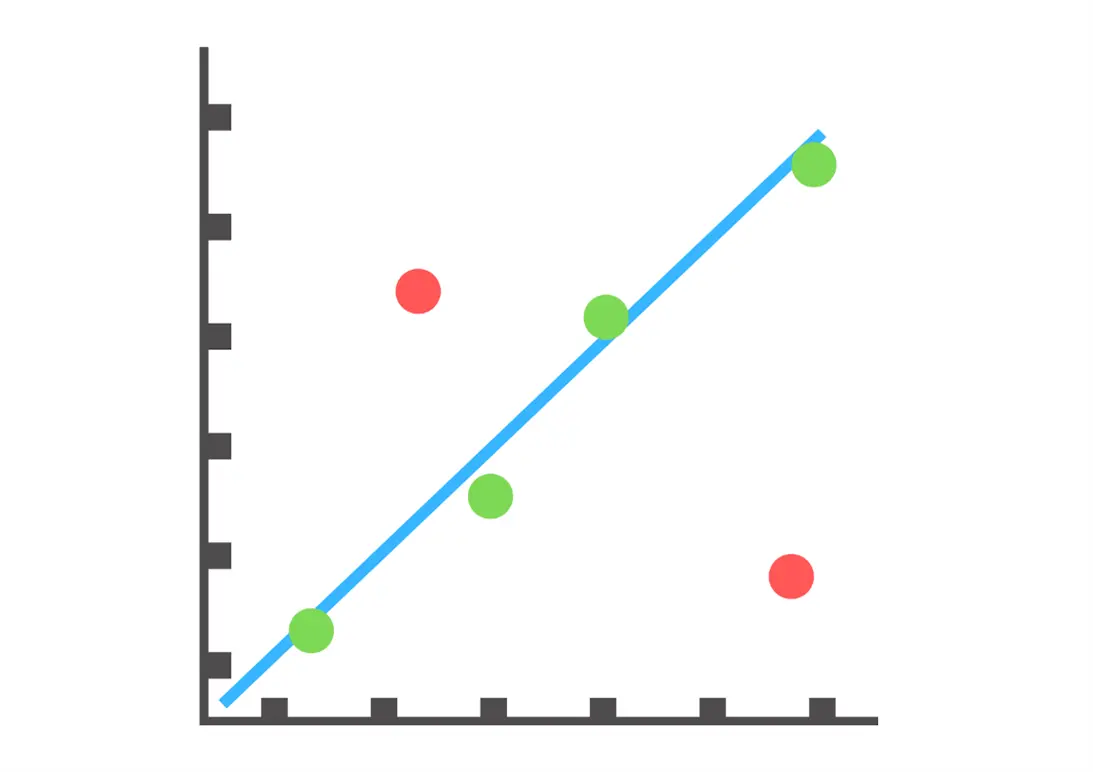
The logical conclusion is the following. A single video that performed isn’t a sufficient basis for validating a format. Isolated performance can be the result of a favorable initial pool, an optimal consumption context, or a momentary algorithmic priority. None of those variables are replicable by the production team.
Real validation of a format requires testing volume
A valid conclusion about a format can be drawn after publishing 10-20 videos built on the same editorial logic.
If 8 out of 10 videos perform, the format is strongly validated. The frequency of positive results exceeds the threshold at which algorithmic randomness could explain the data. The format has shown a replicable capacity to generate performance.
If only 1 out of 10 videos performs, the conclusion is the opposite. The positive results fall inside the normal range of algorithmic variation, and the format can’t be considered validated. The team had an isolated success, not a replicable model.
The fact that a video performed doesn’t equal identifying a successful format. It’s a starting point for testing, not a final result.
At Play Vertical we build video content production systems that allow the volume needed to separate a replicable format from isolated, accidental performance.
Want to see how we run this flow for the brands we work with? Book a call.